What the High Seas Treaty Means for Our Oceans… and for You
In January 2026, the High Seas Treaty officially entered into force.
After more than two decades of debate and negotiation, we finally have a legal framework aimed at protecting the vast, remote waters that make up most of our planet’s ocean.
But what is the High Seas Treaty, why does it matter for the future of life on Earth and, perhaps most importantly… why should you care?
What is the High Seas Treaty?
The High Seas Treaty is the world’s first legally binding international agreement designed to protect biodiversity in the parts of the ocean that lie beyond any one country’s jurisdiction.
The high seas are defined as waters beyond a country’s exclusive economic zone (EEZ), more than 200 nautical miles from any coast. These international waters cover roughly two thirds of the planet’s ocean and are home to ecosystems as rich and fragile as coral reefs, deep-sea creatures, migratory whales, and untold microscopic life that fuels the ocean’s food web.
Despite their importance, these waters were, until now, governed by a patchwork of rules- often weak, fragmented, and hard to enforce. That’s where the High Seas Treaty changes the game…
What the High Seas Treaty Actually Does
Humour me for a moment, and imagine that just on the other side of your garden fence is a small plot of land. It’s not your property…but nor is it anyone else’s. There are no rules here. No one is watching it. No one is protecting it.
One day, you notice a pot of gold on the land.
“How easy it would be”, you think to yourself, “to simply go in and grab just a small piece.” No one would know. No one would tell you off. It’ll hardly make an impact.
So you go and grab your little piece.
But the next day, your neighbour notices it too, then their neighbour, and another after that.
As everyone claims their golden nugget, the pile eventually dwindles to nothing. And you know what the consequences are? Nothing at all.
Now that might be fine- your street is feeling much richer, and no one suffered!
But what if that gold contributed to a larger picture? What if whole economies depended on it?
That’s the problem we have in the high seas- these ungoverned territories sit outside of laws and regulations, but they’re home to a huge wealth of resources. If anyone can do what they like there, where does the exploitation end?
For decades, the high seas have been overfished, polluted, mined and used freely as shipping routes. Bit by bit, this is taking its toll.
The oceans are all interconnected, so what happens on the high seas has consequences for all our waters. We all rely on the sea for providing food, medicine and oxygen, and controlling our climate. Our economies and societies NEED functioning marine systems.
The High Seas Treaty, for the first time offers a global framework for how nations work together to protect the ocean beyond national borders, so that we can all benefit from what it offers.
The High Seas Treaty Enables Positive Change
The introduction of the Treaty gives us the opportunity to bring about new conservation initiatives to protect our global seas, and the life within them.
Marine Protected Areas (MPAs)
For the first time, countries can propose and agree to Marine Protected Areas in the high seas- legal zones where ecosystems can be shielded from destructive activities like unregulated fishing or mining.
Environmental Impact Assessments
Before major activities (like deep-sea mining or large-scale fishing expansions) proceed, they must undergo environmental impact assessments- a key step in preventing long-term damage to habitats we barely understand.
Fair Access to Marine Genetic Resources
The ocean is a source of biochemical wonder- organisms with the potential to yield life-saving medicines or sustainable materials. Under the Treaty, access to these marine genetic resources must be fair and benefits shared equitably among nations.
Capacity Building and Cooperation
Not all countries have the same scientific or technological resources. The Treaty includes provisions to help developing nations build capacity to participate in ocean science, monitoring and decision-making.
In these ways and more, the High Seas Treaty finally gives the global community meaningful tools to think and act like our oceans are a shared system.
Why the High Seas Treaty Matters for the Planet
At first glance, the high seas might feel remote- far from the beaches we swim at, the fish we eat, and the weather that shapes our days. But that apparent distance is an illusion.
The Ocean Regulates Our Climate
Two-thirds of the planet’s surface is ocean. These waters absorb heat and carbon dioxide, stabilise weather systems and fuel the oxygen cycle we depend on. Healthy oceans help slow climate change- but only if the ecosystems within them are thriving.
Marine Life Doesn’t Obey Borders
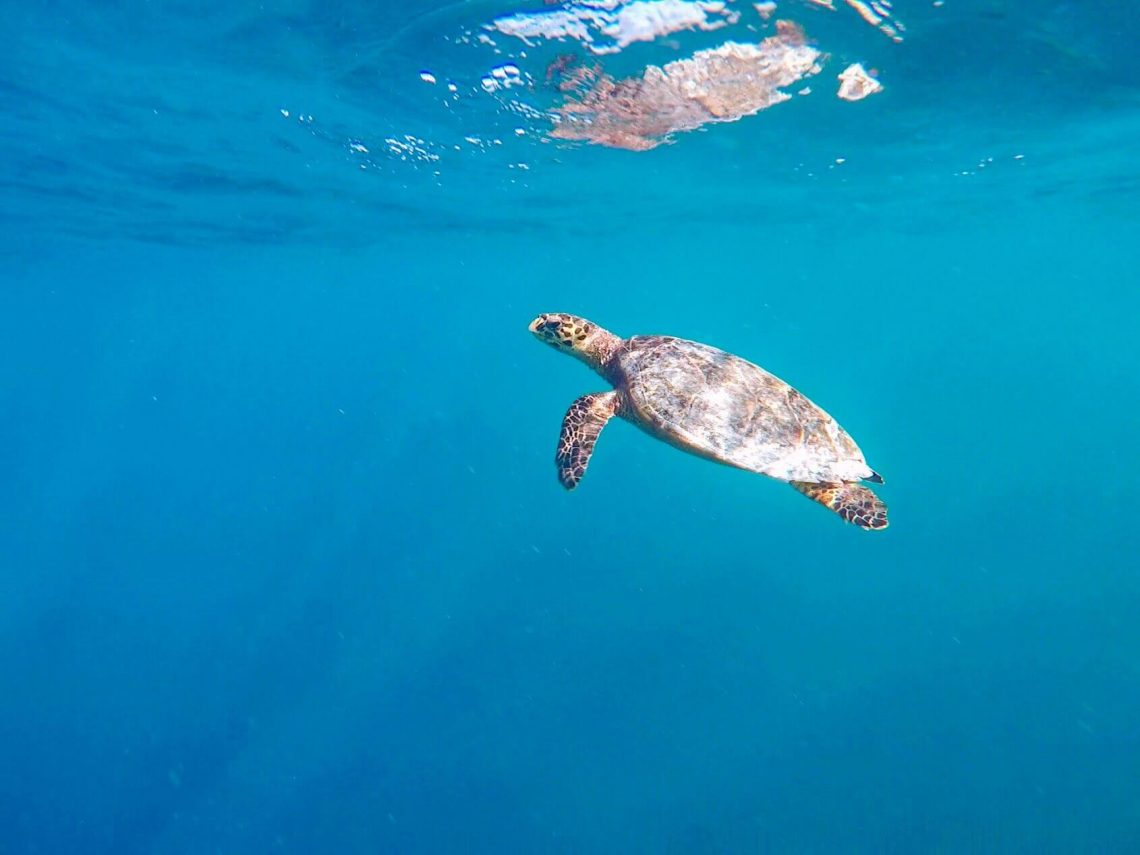
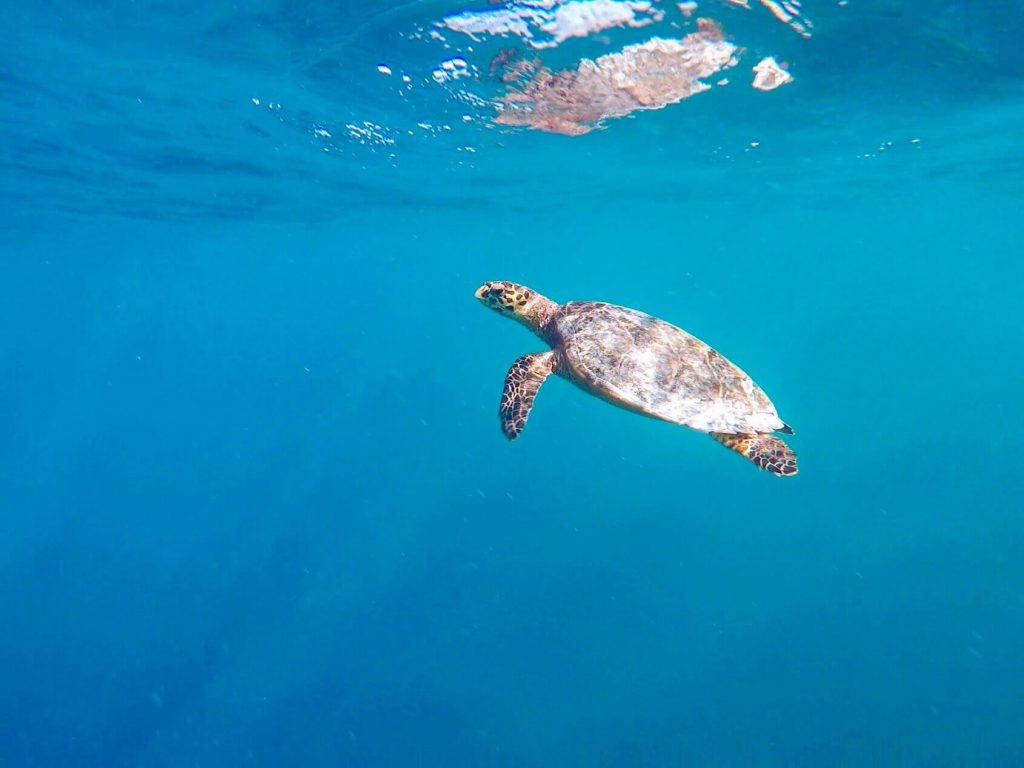
Whales, turtles, sharks and countless species migrate vast distances, crossing multiple jurisdictions and traversing the high seas. Without protections that match their range, conservation efforts in coastal waters can only go so far.
Food Security and Livelihoods Depend on Ocean Health
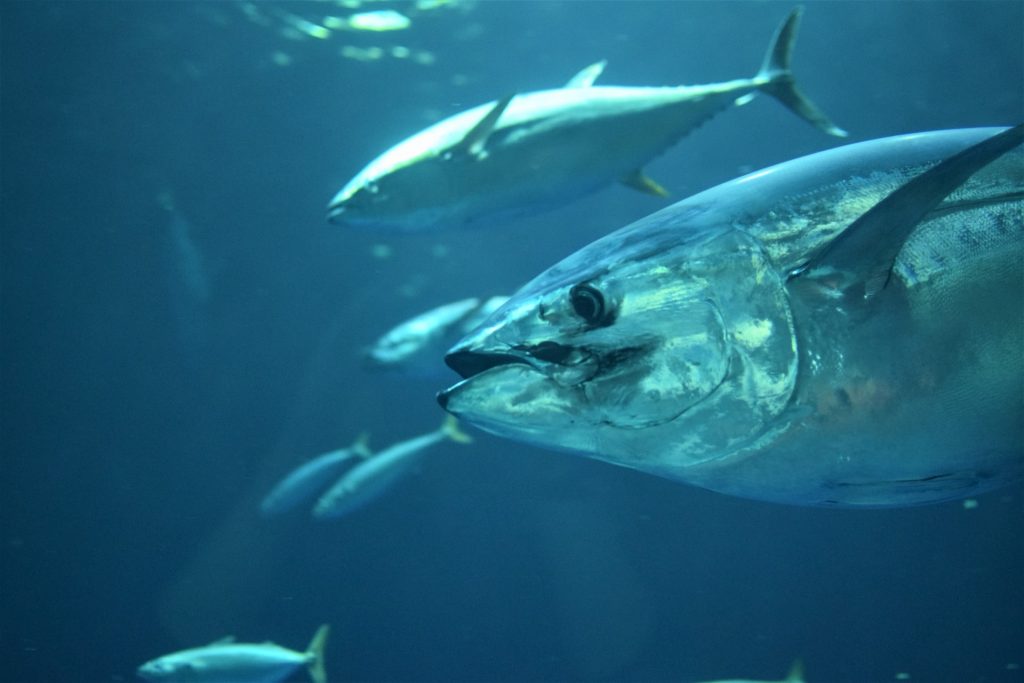
Billions of people rely on seafood, directly or indirectly, for nutrition and income. Overexploitation in unregulated waters spreads pressure across global fish stocks. A treaty that brings the high seas into coordinated management helps reduce that strain.
Why You Should Care About the High Seas Treaty
You don’t need to live by the coast to feel the effects and consequences of what happens on the high seas.
Climate impacts you- ocean currents and global heat distribution influence rainfall, storms and temperatures everywhere.
Food systems are global – disruptions to fish stocks affect prices and availability across markets.
Medical breakthroughs come from nature- untapped marine life may hold cures yet undiscovered, and how we share those benefits matters for equity.
Just as importantly, the High Seas Treaty is a test of global cooperation. The crises we face- climate change, biodiversity loss, pollution- don’t respect borders.
A treaty that brings countries together around a shared ecosystem signals what’s possible when we acknowledge our interdependence.
Where the High Seas Treaty Could Fall Short
The High Seas Treaty isn’t perfect. There’s still a way to go.
Action Beyond Paper
A treaty on paper is just the starting point. The Treaty mostly relies on the continued collective responsibility of the signatory states. It lays out the expectations for how the High Seas should be treated and assigns responsibility to each country to take responsibility for monitoring and enforcement of the rules on their own fishing fleet.
However, it continues to be true that no single nation or organisation has complete jurisdiction on the High Seas.
Not All Countries Are Fully On Board
Some major players, including the United Kingdom, have signed the High Seas Treaty but not yet ratified it, meaning they aren’t legally bound by its terms yet. This has been delayed from 2025 already and there’s no indication of when this will happen. This delays collective action and could weaken the Treaty’s impact.
One Wild Thing
The ocean may be vast, but its protection starts with awareness and action at every level.
You can help by following developments so you know when decisions are made, and place your electoral votes with people who care about making our oceans safer, fairer spaces, for both humans and wildlife.
Go further by writing to your MP, stating your concern that the UK is yet to bring the High Seas Treaty into domestic law. Request that they push for this to happen quickly, and ask for their vote in its favour when the bill eventually reaches the common.


You May Also Like
5 Reasons to LOVE the Monteverde Cloud Forest

11 Exciting UK Wildlife Experiences for Your Bucketlist