
Forever Chemicals That Just Won’t Go Away: Why PFAS Matter
PFAS won’t play by the rules.
There’s a comforting story we like to tell ourselves about pollution- that if we stop using something, nature will eventually heal. Rivers will flush clean, soils will recover, wildlife will adapt.
For the most part, it’s true.
Except when it comes to PFAS…
These chemicals don’t fade, don’t rot and don’t get recycled through Earth’s systems. Once released, they stay, and we’ve been worried about them for a while.
What Are PFAS?
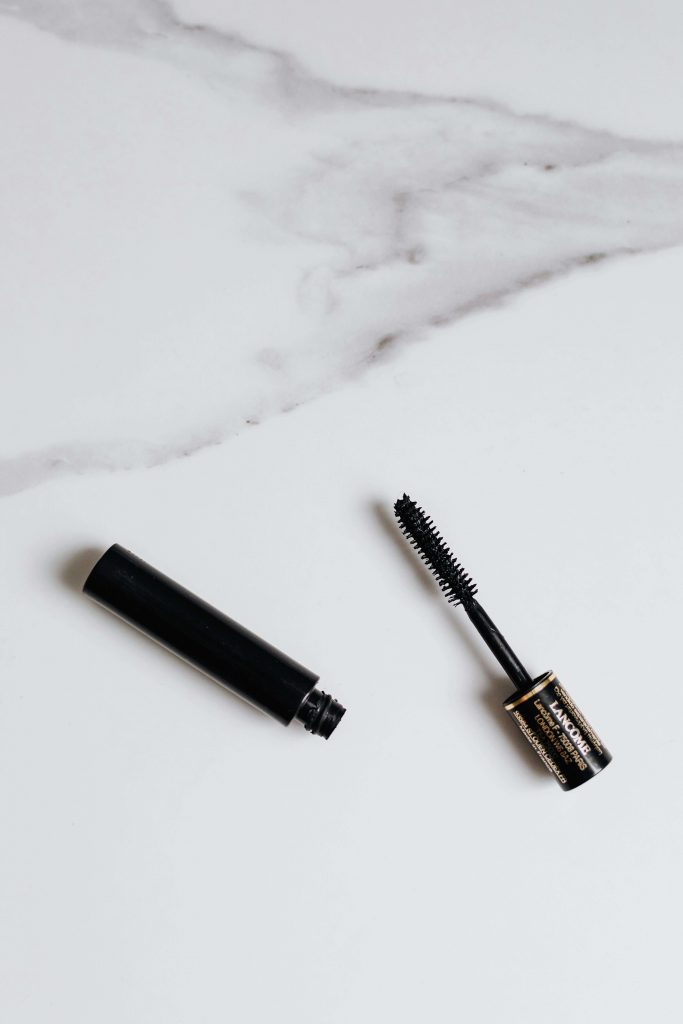
PFAS, short for per- and polyfluoroalkyl substances, are a large group of synthetic chemicals created in the mid-20th century. They’re incredibly good at resisting heat, oil and water, which is why they’ve been used in everything from non-stick frying pans (Teflon, anyone?) and waterproof jackets (heard of GORE-TEX?) to fire-fighting foams, food packaging and cosmetics.
There are thousands of different PFAS compounds, but they all share one defining feature- an extremely strong carbon-fluorine bond that nature simply doesn’t know how to break apart.
That’s why PFAS are often called “forever chemicals”. It’s not a metaphor. It’s a literal description.


Why Are They a Problem?
PFAS cause concern for two main reasons: persistence and toxicity.
Persistence
Once PFAS enter the environment, they don’t break down into harmless components. They accumulate in soils, sediments, rivers, groundwater and oceans.
Rain can redistribute them. Rivers can carry them. Wildlife can ingest them.
Even if emissions stopped tomorrow, PFAS already released would continue circulating through ecosystems indefinitely.
Toxicity
Certain PFAS have been linked to immune system suppression, hormone disruption, reduced fertility, developmental effects in children and increased risks of some cancers. Because they accumulate in the body over time, even low-level exposure can become significant.
This isn’t just about direct human exposure. It’s about how contamination moves through entire living systems.
Why Are Ecologists and Conservationists So Worried About PFAS?
From an ecological perspective, PFAS tick every box for a worst-case pollutant.
- They are mobile, meaning they spread easily through water and air.
- They are bioaccumulative, meaning they build up in living organisms.
- They are biomagnifying, meaning concentrations increase higher up the food chain.
That means small organisms absorb PFAS from water or sediment. Fish eat those organisms. Seabirds and marine mammals eat the fish. Top predators- often long-lived species- end up with the highest chemical loads.
These top predators face many of the same health and reproductive risks that we go, putting species and food webs at risk.
PFAS have now been detected in wildlife across the globe, including in some of the most remote places on Earth. That matters because top predators are often key indicators of ecosystem health. When chemicals like PFAS show up in their tissues, it’s a signal that contamination is widespread, systemic and hard to contain.
And because humans sit at the top of many food webs, what affects wildlife rarely stops with wildlife.
What Is the UK Government Doing About PFAS and Is It Enough?
The UK government has now published its first national plan on PFAS, acknowledging the scale of the problem and committing to better monitoring, research and understanding of how these chemicals move through the environment.
This matters. For a long time, PFAS were regulated one compound at a time, despite thousands of related chemicals behaving in similar ways. Recognising PFAS as a group is an important step.
However, many scientists and environmental groups argue the plan is cautious to a fault. Much of the focus is on learning more rather than doing more to restrict use, phase out non-essential applications, or clean up contaminated sites. Instead, policies focus on more testing, consultations and public aware campaigns.
From an ecological point of view, time matters. Every year of continued use is another year of irreversible accumulation.
There Are Signs That We CAN Make Change Happen
Despite the scale of the issue, there are signs that regulation works.
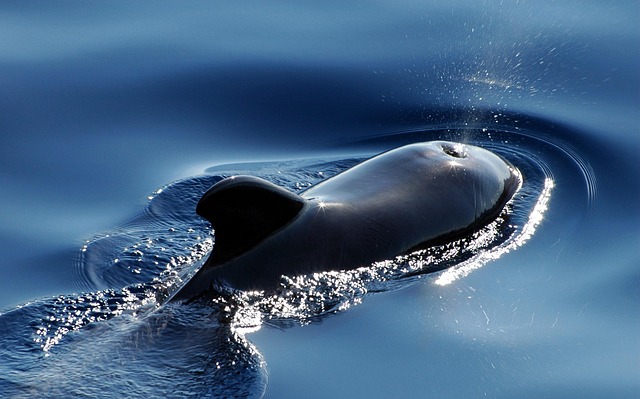
A recent study highlighted by Oceanographic Magazine looked at PFAS levels in pilot whales over time. Researchers found that concentrations of some of the most harmful PFAS compounds have begun to decline, coinciding with restrictions and bans introduced in previous decades.
This is important for two reasons.
First, it shows that even highly persistent chemicals can decrease in living organisms when sources are reduced. Second, it proves that policy decisions made years ago are now translating into measurable ecological change.
Filtration technology is also developing that may be able to help us to remove some of the PFAS that already exists in our water.
One Wild Thing
PFAS are a systemic problem. No individual can really even begin to solve it alone, and it’s not on you to feel like you should.
However individual choices still matter, and you do have power to influence decision makers by choosing how you spend your money.
One simple thing you can do: avoid products designed to be stain-resistant, waterproof (including make up) or grease-proof unless they’re clearly PFAS-free.
That might mean choosing untreated cookware, saying no to fast-food packaging when you can, or being more selective about outdoor and household products. These chemicals exist largely because we built convenience around them. Reducing demand helps close the tap.
You can’t change the world alone, but if we all make one simple swap, we can make a world of difference.


You May Also Like

Wolves in Wyoming: Rewilding Yellowstone National Park
5 Reasons We Need More UK Marine Protected Areas
