
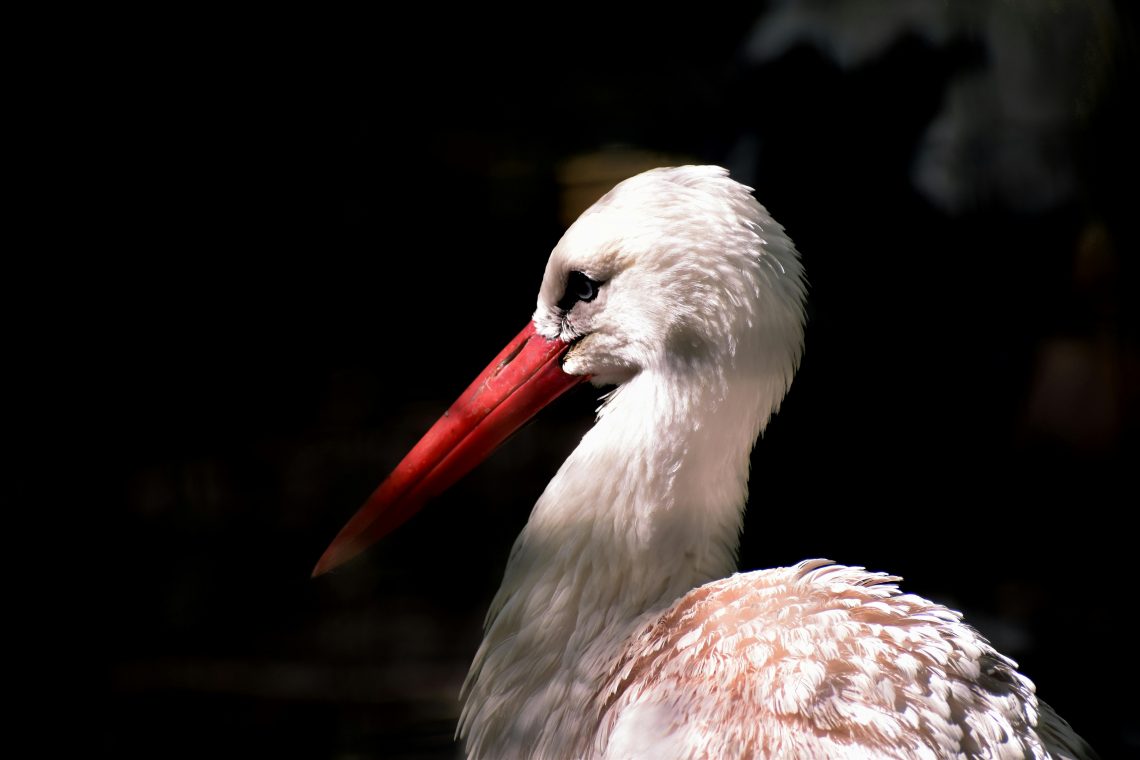
White Storks are Returning to the UK!
There’s a plan to release white storks into the wetlands of Derbyshire.
Imagine taking a walk in the British countryside, and catching an unexpected glimpse of a giant white bird, standing over a meter high, watching pensively over a glistening lake.
It’s a scene we associate more with the plain of Africa than our wetlands, but this could soon become a reality.
This bird that vanished from the UK hundreds of years ago might be finding its way back home.
It’s a compelling headline… but the really interesting part is that actually the storks are merely the headline act in a much bigger show.
The Ecosystem Hiding in Plain Sight
Picture a wetland habitat.
The image is probably one of brown mud. Not exactly a bucket list destination.
They lack the drama of rainforests or the grandeur of mountain ranges, the vastness of deserts or the marvellous technicolour of coral reefs…
…yet they are among the most vital ecosystems on the planet, capturing carbon, filtering water, providing habitat for an extraordinary range of species, and acting as natural buffers against flooding.
And we’re losing them faster than we’re losing forests.
The UK government has committed to improving at least 75% of waters to close to their natural state by 2040. It’s an important target, but targets mean nothing without action, and action requires public will.
That’s where the stork comes in.
A Flagship for Forgotten Places
There’s a reason conservation projects invest in what are sometimes called “flagship species.” A giant, striking bird landing in a wetland has a power that a water quality report simply doesn’t.
The white stork has already proven it can capture media attention and public imagination. In the age of the rapid scroll, that matters enormously.
If people know that wetlands are home to birds like this, they’re more likely to care about protecting them. Derbyshire wildlife trust is tapping into one of the most powerful tools for effecting change in conservation: excitement.
Impressive megafauna can persuade the public that ecosystems are worth saving. In doing so, we protect all the other life that calls the wetlands home.
Beyond the optics, storks pull genuine ecological weight. They help keep populations of small mammals in check, and their return can serve as a meaningful indicator that a wetland ecosystem is genuinely recovering. A thriving stork population isn’t just good news in itself- it’s a signal that the whole system beneath it is coming back to life.
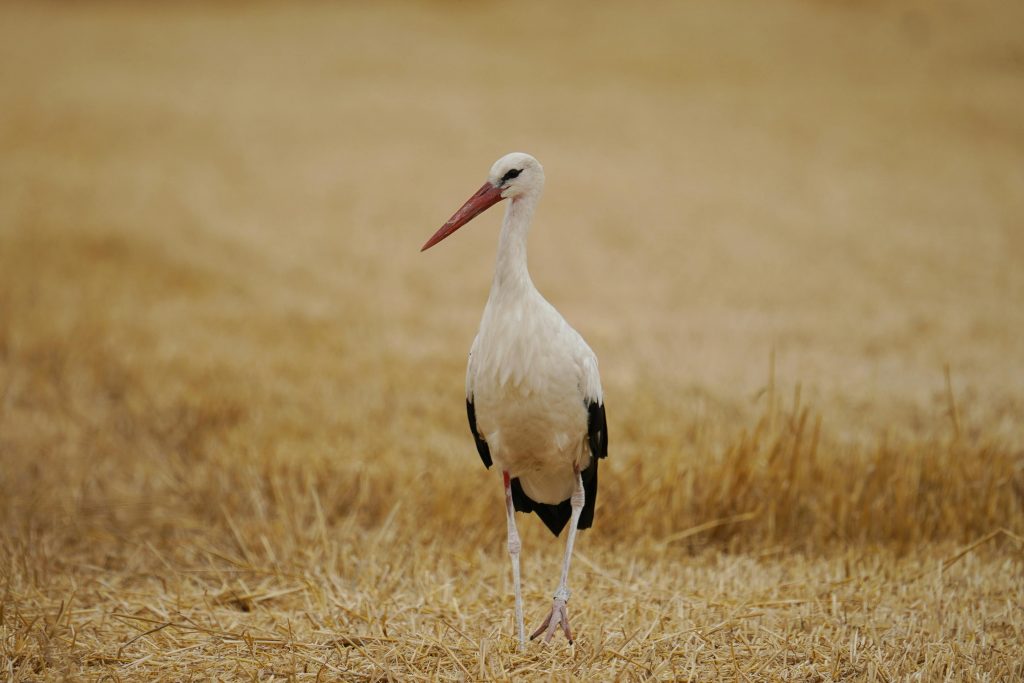
Existing White Storks Prove It’s Already Working
This isn’t wishful thinking. Successful reintroductions have already taken place at the Knepp Estate in Sussex, and a number of other projects are well underway. The evidence is building that, given the right conditions, these birds can return.
It’s one of a number of similar rewilding projects taking place across the UK.
White storks called the UK home until around 600 years ago. They didn’t leave on their own terms. We drove them out, through hunting, drainage and the destruction of the habitats they depended on.
Bringing them back isn’t a novelty. It’s a step towards restoring something we broke.
One Wild Thing for Wetlands and White Storks
Follow the Derbyshire reintroduction project and share what you find. Public interest is genuinely one of the most powerful forces behind conservation funding and political will.
And next time you hear someone dismiss wetlands as muddy, unremarkable places, tell them about the storks so they can follow along too!


You May Also Like

Octopus Bloom in UK Seas: Good or Bad?

What the High Seas Treaty Means for Our Oceans… and for You
